Back in the early 20th century, the world of synthetic polymers expanded rapidly, and vinyl resin found its place as a game-changer. Chemists first discovered polyvinyl chloride—often called PVC—by passing vinyl chloride gas through sunlight. The utility of this resin spread quickly during the 1930s, especially as industries searched for affordable materials that outperformed rubber and natural plastics. During wartime, the demand soared. Factories cranked out cables, raincoats, and insulation using vinyl resin. Unlike brittle early plastics, vinyl resins delivered a flexible, durable mask against harsh environments. The shift toward polymers like S-PVC and E-PVC, along with the development of copolymers, built a foundation for a market that now covers everything from construction to healthcare.
Vinyl resins aren’t monolithic; manufacturers churn out dozens of types. PVC sits atop the list, but copolymers with vinyl acetate and vinyl chloride branch off into niches—pipes, medical tubing, even floor tiles. What stands out is the breadth of product grades—some loaded with plasticizers for pliability, others tailored for heat resistance or impact toughness. Cost, performance, ease of shaping—vinyl resin answers the call. This flexibility powered its adoption across products as different as car interiors and credit cards. With most grades coming as white or translucent powders or pellets, processing lines adapt easily, leading to high-volume, affordable goods.
The backbone of vinyl resin consists of chlorine and ethylene. This structure brings chemical resistance tough enough for industrial chemicals, while blocking most moisture and oxygen. Pure PVC stands rigid, but a dash of phthalate or citrate turns it nearly as supple as rubber—a big reason kids’ toys and shower curtains end up on store shelves. Vinyl resin shrugs off electricity, making it a reliable go-to for wires and plug casings. It melts, molds, and welds using standard equipment. The glowing reputation gets dented under heat or direct sunlight because traditional plasticizers tend to leach or yellow. Burn vinyl, and hydrochloric acid comes off, so burning needs controls. These quirks shape safety guidelines and encourage new research into bio-based and stabilized versions.
Factories post specs by polymerization degree, particle size, and K-value. K-value, based on viscosity, lets buyers sort for the softness or stiffness they need. Standard PVC hovers around K-65, straddling flexibility and toughness. Quality audits check for residual monomers, density, and particle distribution. Producers must report these metrics on spec sheets and ensure product packaging carries clear batch information along with recommended storage conditions. Manufacturers often list compliance marks for international standards, like RoHS, REACH, and UL, to guarantee safe handling and signal quality. The industry keeps inching toward tighter labeling around phthalates, heavy metals, and trace contaminants as consumer awareness rises.
Vinyl resin production starts with vinyl chloride, sourced largely from ethylene and chlorine. Suspension polymerization handles the bulk; machines bubble initiators and monomer through water, spinning up uniform beads. Emulsion and bulk polymerization also exist for specific niches, although quality control gets tougher as side reactions increase. Post-polymerization, resins face drying, sifting, and blending with additives. The prep line often incorporates stabilizers, colorants, or fillers based on application. Some plants add impact modifiers to boost performance in outdoor use or blend copolymers for custom needs. Each method brings environmental trade-offs, especially regarding monomer residuals and wastewater, so compliance checks have become the industry norm.
Vinyl resin’s adaptability comes from its structure. Chlorine atoms open doors for a who’s-who of chemical tweaks. Manufacturers graft acrylate or maleate to tune flexibility or speeding up processing. Companies have rolled out chlorine-free alternatives through dehydrochlorination, all to resist breakdown under heat. Blending PVC with chlorinated polyethylene or incorporating UV stabilizers can give extra armor against sunlight. A push for biocompatible grades has led to molecular-side substitution, using citrate or soy plasticizers to replace phthalates. Reactive extrusion lines up modifiers during molding, cutting production costs and keeping properties steady batch after batch.
Shoppers and engineers bump into a tangle of names: PVC, polyvinyl chloride, vinyl copolymers, VC resin, S-PVC (suspension), and E-PVC (emulsion). Some products go by trademarked labels like Geon, Vinnolit, and OxyVinyls, all based on specific tweaks in formulation. Markets pigeonhole them as plastisols (liquid mixtures), rigid vinyl (unplasticized), or flexible vinyl, keeping selection manageable across regions. Every brand touts its formula but shares the backbone structure, so interchangeability exists with an eye on label details.
Processing vinyl resin demands attention—vinyl chloride monomer, a known carcinogen, lingers at trace levels unless careful controls kick in. OSHA and EU guidelines set strict thresholds, requiring sealed systems, scrubbers, and protective gear. Factories must track heat because above 200 °C, toxic gases form, including dioxins in worst-case scenarios. Recycling and disposal need closed loops to avoid releases. Workers need regular health screenings and facilities follow standardized fire prevention since ignition is a documented risk. Consumer goods made from vinyl resins usually get checked for heavy metal residues, especially toys, and building materials often must meet fire and emissions codes before hitting the market.
The reach of vinyl resin spans rivers and highways—cable insulation, window frames, synthetic leather, packaging films, water pipes, and credit cards stand as familiar faces. Construction soaks up most production; pipes, gutters, and siding show up everywhere, prized for low cost and weather resistance. Hospitals count on IV bags and blood tubes that won’t react with drugs or body fluids. Auto interiors use soft-touch surfaces that clean up easily and last through years of sun. Music lovers know the classic vinyl record, which battles dust and scratches far better than shellac. Recent uptake in sporting goods, clothing trims, and even roofing membranes signals that vinyl resin’s story has legs.
Innovation hums in every corner, from green plasticizer replacements to smarter stabilizers. Teams now focus on lowering chlorine content, aiming for the same performance with fewer emissions. Recycling technology takes center stage; mechanical and chemical methods each offer a road to cut landfill waste. Researchers keep probing ways to process used vinyl resin alongside fresh feedstock without degrading quality. Crosslinking agents get tested to bump up temperature limits so vinyl holds its own in industrial piping and solar panel films. On the additive side, antimicrobial coatings and flame retardants get tailored for sectors like healthcare and transport, driven by safety and longevity requirements.
Toxicity hangs over vinyl resin, largely because monomer byproducts and some additives cause health concerns. Early studies flagged exposure risks for factory workers—today, continuous monitoring aims to keep levels well below thresholds. Leaching of phthalates into blood products or food packaging has led to strict bans in regions like the EU, spurring industry-wide shifts to safer alternatives. Incineration or careless disposal creates dioxins, potent toxins linked to cancer and immune damage. Child safety groups push for more testing in toys and school supplies, sparking rounds of independent and government studies. Many consumer-facing products now claim “phthalate-free” or “lead-free” badges to ease worries amid growing regulation.
Vinyl resin’s future hinges on its capacity to balance resilience, affordability, and environmental safety. As green regulations get stricter, investment turns toward bio-based feedstocks and plasticizers. Closed-loop manufacturing and true circular recycling offer a path to sustainability that could anchor the material well into the century. Next-generation vinyl resins promise lower emissions, smarter use of waste, and specialty variants for medical, electronic, and building tech. Startups along with established players now explore nanocomposite blends and additive-infused films for added function, all while keeping costs down and performance high. The story of vinyl resin tracks with the broader arc of polymer science—adaptation, stewardship, and a relentless search for better.
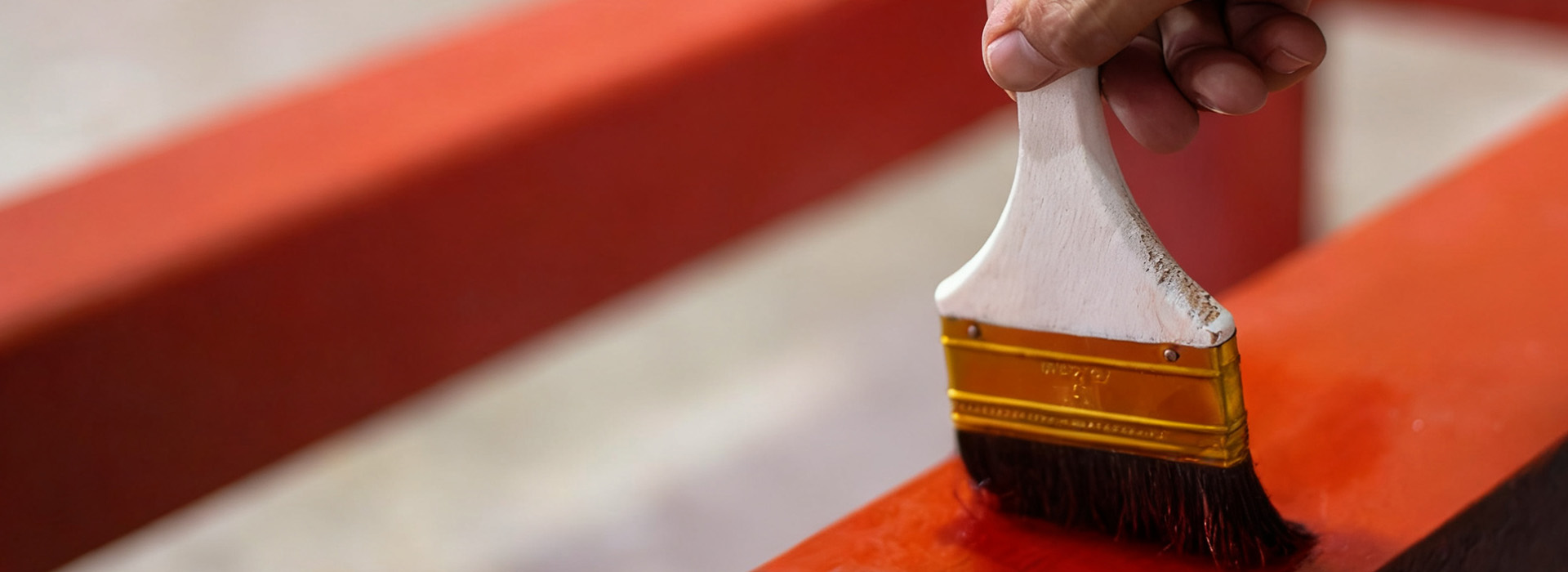
Vinyl resin isn’t a flashy material, but it holds together a surprising part of the world around us. Walk into any hardware store, and you’ll find adhesives, coatings, paints, and sealers on the shelves. Many of those formulas rely on vinyl resin to stick, protect, or seal effectively. I remember helping a friend repaint his kitchen cabinets. The finish felt smooth and held up to years of wipedowns, and the secret was a vinyl-based primer and topcoat. This stuff gives paints real backbone — it’s why that sleek finish in kitchens and bathrooms stays put even after a decade of steam and cleaning.
Working on home repairs has shown me how much people expect their materials to last. Vinyl resin delivers here, too. In wood coatings or industrial paints, it forms a tough layer that shrugs off moisture and sunlight for the long haul. According to data from the American Coatings Association, coatings made with vinyl resin help prevent wood rot, rust, and fading. In climates with wild temperature swings, this protection cuts down on maintenance costs. People might not see it or think about it, but fewer repairs mean less waste and less money spent fixing the same problems year after year.
Safety standards in hospitals and schools demand surfaces that stand up to frequent cleaning and resist bacterial growth. Vinyl resin plays a central role in many of those durable finishes. Manufacturers keep coming up with better blends that don’t leach harmful chemicals, thanks to tougher regulations. The Environmental Protection Agency has flagged certain chemicals in older formulations, pushing companies to innovate. For parents and teachers, this means peace of mind about the surfaces their kids touch.
Factories use vinyl resin to make crucial parts for cars, appliances, and packaging. I toured a packaging plant as a college student and saw how vinyl-based inks let labels run through high-speed printers without smearing. This quality isn’t just for looks; clear, tough labels provide traceability for food and medicine, helping trace recalls when something goes wrong. Engineers also depend on vinyl resin for making sealants used in cars, which cut down on noise and leaks. These unseen details add up — the National Association of Manufacturers reports that high-quality materials in cars mean safer rides and quieter interiors.
Concerns around plastics and waste have spurred scientists to look for eco-friendlier alternatives or recycling options for vinyl-based products. Some companies started using bio-based vinyl feeds or developed recycling streams to reuse discarded items. Consumers have a chance to support brands trying to close this loop by reading labels and asking questions. If I had one suggestion, it’s to look up how your paint or adhesive gets made before you buy. Pushing for more sustainable products gives manufacturers a reason to keep improving.
Vinyl resin doesn’t draw much attention in daily life, yet it’s a backbone of durable, safe, and reliable products, from paints and coatings to packaging and auto parts. By understanding what materials go into the things we use, and how those choices impact our health and environment, we get a say in shaping future progress.
Vinyl resin pops up in everything from old-school records to tough industrial coatings. I’ve seen this material used by DIYers patching up garage floors and by manufacturers pumping out durable household goods. Makers often trust vinyl resin for its strong, plastic-like qualities—toughness, flexibility, and resistance to many chemicals. So is this material truly waterproof, or does it fall short under real-world stress?
Plenty of folks lump “waterproof” and “water-resistant” together. From experience, there’s a big difference. Vinyl resin holds up well against water spills because water just sits on top or slides right off most finished vinyl surfaces. You won’t see droplets soaking through a vinyl-coated chair, nor does a vinyl banner shrivel after a rain shower. That comes from the tight chemical structure in the resin. Crosslinked polymer chains make it tough for water molecules to wiggle their way through.
Despite its reputation for keeping out moisture, calling all vinyl resin waterproof feels like a stretch. It stands up well to rain and humidity, but soaking under water for long periods can reveal some weak spots. After months under water—think leaky pools or ignored plumbing disasters—vinyl resins can begin to break down or let in moisture at the seams, joints, or places where the surface wears thin.
Vinyl resins, especially polyvinyl chloride (PVC), use their dense structure as a shield. Polymer scientists have put this to the test. Studies find unbroken vinyl layers block water vapor better than most plastics. A 2022 study by the American Chemical Society showed that PVC film restricts water permeability to less than 0.1 g/m2 per day in lab tests. That kind of resistance works well for floors, wallpaper, and rainwear—jobs where splashes and spills might happen but never standing water for months.
Cracks, poor installation, or joints can let water sneak in. I remember helping a neighbor lay down self-adhesive vinyl floor tiles in a basement. Without careful sealing at the edges, moisture from the concrete crept beneath, bubbled up the tiles, and caused peeling. Without perfection at every seam, vinyl resin alone doesn’t guarantee a total barrier.
Vinyl resins resist more than just water. Pool liners, roofing, and raincoats all use this resin thanks to its success against sunlight, dirt, and chemicals. Fading or wear usually shows up long before water seeps in, as UV rays and cleaners can slowly erode the resin layer. People aiming for lifelong waterproofing should look at maintenance, finishing techniques, and how joints meet as much as the material itself.
Water finds any weak point, so surface prep and careful sealing decide how long vinyl resin can fend off leaks. In my experience, applying a watertight polyurethane topcoat or using heat-welded seams lets the resin deliver on waterproof promises. For tough outdoor needs, multilayer systems—pairing vinyl with rubberized membranes beneath—can add years of durability.
Those looking for a single-solution miracle seldom find it in one layer of vinyl resin. Regular checks, resealing, and avoiding standing water help protect gear, flooring, and siding. It’s not just the resin’s properties that matter, but how folks use and maintain them. That’s what brings real, lasting waterproofing to vinyl resin jobs.
I’ve learned that vinyl resin can deliver strong results, but skipping surface prep usually leads to peeling or bubbles down the road. To make things stick, grab a clean cloth or use compressed air on dusty spots. Any trace of oil, paint chips, or previous coatings goes straight into the trash. I like using a mild degreaser, then letting things dry out in the open—no shortcuts, because trapped moisture locks in problems.
Vinyl resin rarely works best straight from the tub. I’ve had to add solvents or plasticizers, following the manufacturer’s recipe. Getting the ratios wrong only creates headaches—too much solvent means cracks appear, too little and you get a sluggish mess that doesn’t settle smooth. It pays off to use a cheap kitchen scale or measuring cups: that step avoids a lot of waste and poor bonds. Keep mixing until everything turns even and lump-free.
Not every job needs fancy gear, but I’ve found rollers give more control for flat surfaces—think floors, doors, or panels. For detailed spaces, I’ll use a basic brush, working resin into corners and edges where rollers can’t stretch. I tried spraying resin once for speed, yet cleanup got out of hand and droplets landed where they didn’t belong. For anyone starting out, stick with simple tools and focus on good coverage.
Start at one end and move across with steady hands. I watch for streaks or missed spots and double back if needed while everything stays wet. Thin coats work best—thick piles just trap bubbles and take forever to dry. Patience beats speed on this part. In my experience, keeping pressure light protects the coat and avoids ridges or roller lines.
I used to get antsy, checking the surface before it finished curing. Most vinyl resins need a half-day to a full day to settle in, especially in humid rooms. Never rush to walk over or paint on top until the surface feels dry to touch—not tacky or soft. Opening windows for airflow or using fans helps speed things along without cooking the project with too much heat.
There’s a strong chemical aroma with most resins. I pull out a basic mask or open doors wide. Gloves keep fingers from sticking together, and old shirts catch those inevitable drips. If a splash lands on skin, soapy water washes it right off. Read the label for safety tips; it’s worth a minute.
Sometimes, bubbles show up no matter how careful I pour. Popping them with a hair dryer on low helps level things out. If chunks or fuzz get in the finish, let it dry, sand the spot, and brush on an extra layer. No harm in a little touch-up.
Applying vinyl resin isn’t complicated, but it pays to respect the process. Prep well, mix carefully, use basic tools, and work in a ventilated space. Small steps make a big difference—the finish holds up to traffic and looks sharp longer. If in doubt, check the product guide, or ask someone who’s been there before.
Anyone who's ever painted a floor, patched a surfboard, or tinkered with DIY crafts has probably handled vinyl resins or epoxy. The names come up often, but the gap between the two matters in both simple household fixes and big construction work. Here's the real deal: vinyl resin and epoxy each have their place, strengths, and limits.
Vinyl resin falls into a category called thermoplastics. You’ll find it in everything from pool liners to car dashboards. It’s known for decent chemical resistance, flexibility, and price. Everyday builders and crafters like it because it’s easy to shape and fix. Drop a vinyl piece and, unless you go at it with a hammer, it won’t shatter. Most vinyl resin formulas involve polyvinyl chloride (PVC) or blends designed for particular uses.
I remember using vinyl resin to seal a leaky garden fountain at my uncle's place. We needed something that could flex with sun and shade, without letting water creep through any cracks. The vinyl coating held strong under constant sunlight and the wear from flowing water.
Epoxy resin carries a reputation for toughness. Professionals reach for epoxy when they need solid, hard coatings, glue for wood or stone, or a base for industrial floors. Mix resin and hardener, wait a bit, and you've got a strong plastic that bonds tight. Epoxy makes sense for jobs where strength beats flexibility.
During a community project to make riverfront benches, we used epoxy to glue reclaimed wood to metal frames. The benches haven’t budged, even with kids jumping on them daily. That direct grip, with weather resistance, showed me firsthand how reliable epoxy can be.
Both materials have good resistance to moisture and most household chemicals. Vinyl gives way to yellowing in sunlight faster than epoxy. On the flip side, epoxy outperforms vinyl in pure load-bearing jobs or where surface hardness keeps scratches away. A garage floor covered in epoxy shrugs off oil spills and dragging tires much better than a vinyl finish.
All resins involve cleanliness and safety. Dust from vinyl can irritate lungs; uncured epoxy can cause skin issues. Epoxy costs more, both in money and setup time. Vinyl seems affordable until you factor in its weaker grip and tendency to react badly with certain solvents.
As resin use rises, environmental worries stack up. Vinyl's connection to PVC means scientists watch its health impact. Epoxy, though tough, rarely breaks down or recycles easily. It makes sense to read up on greener water-based formulas or treatments that lower toxic risks.
Repair shops and home DIY fans now pay closer attention to local rules for resin disposal and air quality at worksites. Some make a switch to plant-based resins, not just for the badge, but to keep staff safer and reduce landfill loads.
With every fix or project, people have to weigh vinyl resin’s flexibility and lower cost against epoxy’s strength and staying power. It pays to know what you need from a resin—in cost, grip, flexibility, sunlight exposure, and how you’ll clean up once the job's done. Picking the right resin helps projects last and keeps risks down for everyone involved.
Vinyl resin sneaks its way into daily routines more often than people realize. Whether it’s in floor tiles, PVC wall panels, or craft projects, vinyl resin pops up in homes, classrooms, and workshops. Folks gravitate to it for its tough finish, mess-free clean-up, and cost savings compared to old-school materials like wood or ceramic. That said, not everyone knows what living and working with these plastics really means for indoor air, health, and peace of mind.
Homeowners often ask if all that plastic is okay to breathe around, especially in rooms where kids play or food gets cooked. Vinyl resin itself doesn’t jump out as hazardous straight out of the bucket. Most cured products don’t shed dust or flakes like some building materials. But fresh from the factory, or when used in glues, sealers, and hobby gels, vinyl resin can come packed with additives like plasticizers and solvents. Those give off fumes—sometimes called “off-gassing”—that can fill a room with smells or leave your eyes watering.
Research points out that newer vinyl resins produce less dangerous byproducts than decades back. Modern manufacturing keeps out some of the worst offenders like lead stabilizers or phthalates. Still, even updated versions may contain trace leftovers if they’re not made to tough standards. I once worked on a school remodeling team, swapping out brittle old floor tiles for a “safe” vinyl alternative. I still remember a stubborn chemical smell sticking around for days, making us swing windows open even in winter.
Studies from the American Lung Association and multiple state health agencies show that heated vinyl, or products cut with harsh glues, may release fumes linked to headaches, dizziness, or longer-term risks with enough exposure. The main culprit is often ‘volatile organic compounds’ or VOCs. Materials stored in a breezy warehouse act different from those sealed up in a spare bedroom.
When using vinyl resin indoors, it pays to pay attention. Products labeled “low-VOC” make a difference. Picking brands certified by groups like GreenGuard or with third-party emissions testing reduces nasty surprises. Letting fresh resin pieces ‘air out’ outdoors for a day or two before final installation makes a dent, too. During messy projects or repairs, flipping on an exhaust fan helps chase fumes outside. These simple steps go a long way—especially for anyone with asthma, allergies, pets, or little kids crawling close to the action.
In my experience, most headaches begin when companies cut corners, or DIYers ignore directions. Reading product labels (really reading them), following mixing and drying advice, and not rushing the job keeps those strong chemical smells down. Some people skip gloves or masks because they’re “just doing one room,” but skin contact or inhaled fumes often cause the most trouble.
More folks look to sustainable alternatives as green standards gain ground and knowledge grows. Bamboo panels, ceramic tiles, and new plant-based resins offer workable substitutes for some projects. Progress takes time, but the trend leans toward safer, smarter materials each year. Until the day comes when every resin in the store is 100% safe by default, using common sense, asking questions, and keeping rooms well-ventilated offer the best protection. Experience shows the safest homes are the ones where owners stay curious and careful with every new upgrade.
| Names | |
| Preferred IUPAC name | poly(ethenyl ethanoate) |
| Other names |
Polyvinyl resin
PVR Polyvinyl chloride resin PVC resin Acetate resin |
| Pronunciation | /ˈvaɪ.nəl ˈriː.zɪn/ |
| Preferred IUPAC name | Poly(ethenyl ethanoate) |
| Other names |
Polyvinyl Resin
PVC Resin Vinyl Chloride Resin |
| Pronunciation | /ˈvaɪ.nəl ˈriː.zɪn/ |
| Identifiers | |
| CAS Number | 9002-86-2 |
| Beilstein Reference | 1460738 |
| ChEBI | CHEBI:53251 |
| ChEMBL | CHEMBL601087 |
| ChemSpider | 4297084 |
| DrugBank | DB14915 |
| ECHA InfoCard | ECHA InfoCard: 100.110.731 |
| EC Number | 9003-20-7 |
| Gmelin Reference | Gmelin Reference: 76, 149 |
| KEGG | C13550 |
| MeSH | D014738 |
| PubChem CID | 151244 |
| RTECS number | BW8200000 |
| UNII | P3P9D3C39T |
| UN number | UN1866 |
| CAS Number | 9005-09-8 |
| Beilstein Reference | Beilstein Reference: 1718735 |
| ChEBI | CHEBI:53251 |
| ChEMBL | CHEMBL1201094 |
| DrugBank | DB14055 |
| ECHA InfoCard | ECHA InfoCard: 100.115.631 |
| EC Number | 9002-86-2 |
| Gmelin Reference | 104232 |
| KEGG | C18363 |
| MeSH | D014738 |
| PubChem CID | 131779042 |
| RTECS number | UU0700000 |
| UNII | N1918F953B |
| UN number | UN1866 |
| Properties | |
| Chemical formula | (C2H3Cl)n |
| Molar mass | Variable |
| Appearance | White powder |
| Odor | Faint ester odor |
| Density | 0.920-0.950 g/cm³ |
| Solubility in water | Insoluble in water |
| log P | 1.52 |
| Vapor pressure | Negligible |
| Acidity (pKa) | ~9.5 |
| Basicity (pKb) | 10.0 (Weak base) |
| Refractive index (nD) | 1.46 – 1.48 |
| Viscosity | 35-45 cps |
| Dipole moment | 1.72 D |
| Chemical formula | (C2H3Cl)n |
| Molar mass | 86.09 g/mol |
| Appearance | White or slightly yellowish powder or granular solid |
| Odor | Faint odor |
| Density | 0.96-1.22 g/cm3 |
| Solubility in water | Insoluble |
| log P | 1.5 |
| Vapor pressure | Negligible |
| Acidity (pKa) | 12.5 |
| Basicity (pKb) | 8.0 (as pKb) |
| Magnetic susceptibility (χ) | -9.1e-6 |
| Refractive index (nD) | 1.46–1.48 |
| Viscosity | 200-450 cps |
| Dipole moment | 2.45 D |
| Thermochemistry | |
| Std molar entropy (S⦵298) | 450.0 J/mol·K |
| Std enthalpy of combustion (ΔcH⦵298) | -3143 kJ/mol |
| Pharmacology | |
| ATC code | D08AD01 |
| ATC code | 'V06DB' |
| Hazards | |
| GHS labelling | GHS02, GHS07, Warning |
| Pictograms | GHS02,GHS07 |
| Signal word | Warning |
| Hazard statements | H319: Causes serious eye irritation. |
| Precautionary statements | P261, P264, P271, P272, P280, P302+P352, P333+P313, P362+P364, P501 |
| NFPA 704 (fire diamond) | 2-1-1 |
| Flash point | Flash point: > 400°F (204°C) |
| Autoignition temperature | 315°C |
| LD50 (median dose) | LD50 (median dose): >10,000 mg/kg (oral, rat) |
| NIOSH | KN8050000 |
| PEL (Permissible) | 1 mg/m³ |
| REL (Recommended) | 1200 ppm |
| GHS labelling | GHS02, GHS07 |
| Pictograms | Flame, Exclamation Mark |
| Signal word | Warning |
| Hazard statements | H226, H315, H317, H319, H335 |
| Precautionary statements | P210, P261, P264, P271, P280, P301+P310, P304+P340, P305+P351+P338, P312, P330, P337+P313, P403+P233, P405, P501 |
| NFPA 704 (fire diamond) | 2-1-0 |
| Flash point | > 84°C (183°F) |
| Autoignition temperature | 315°C |
| Explosive limits | Not established |
| LD50 (median dose) | LD50 (oral, rat): >10,000 mg/kg |
| NIOSH | RN6390 |
| PEL (Permissible) | PEL (Permissible Exposure Limit) for Vinyl Resin: Not established. |
| REL (Recommended) | REL (Recommended Exposure Limit) for vinyl resin: "See Table Z-1 |
| IDLH (Immediate danger) | Unknown |
| Related compounds | |
| Related compounds |
Polyvinyl chloride (PVC)
Polyvinyl acetate (PVAc) Polyvinyl alcohol (PVA) Polyvinyl butyral (PVB) Vinyl chloride Vinyl acetate Chlorinated polyvinyl chloride (CPVC) Ethylene-vinyl acetate (EVA) Vinylidene chloride |
| Related compounds |
Polyvinyl chloride (PVC)
Polyvinyl acetate (PVAc) Polyvinyl alcohol (PVA) Polyvinyl butyral (PVB) Polyvinylidene chloride (PVDC) |